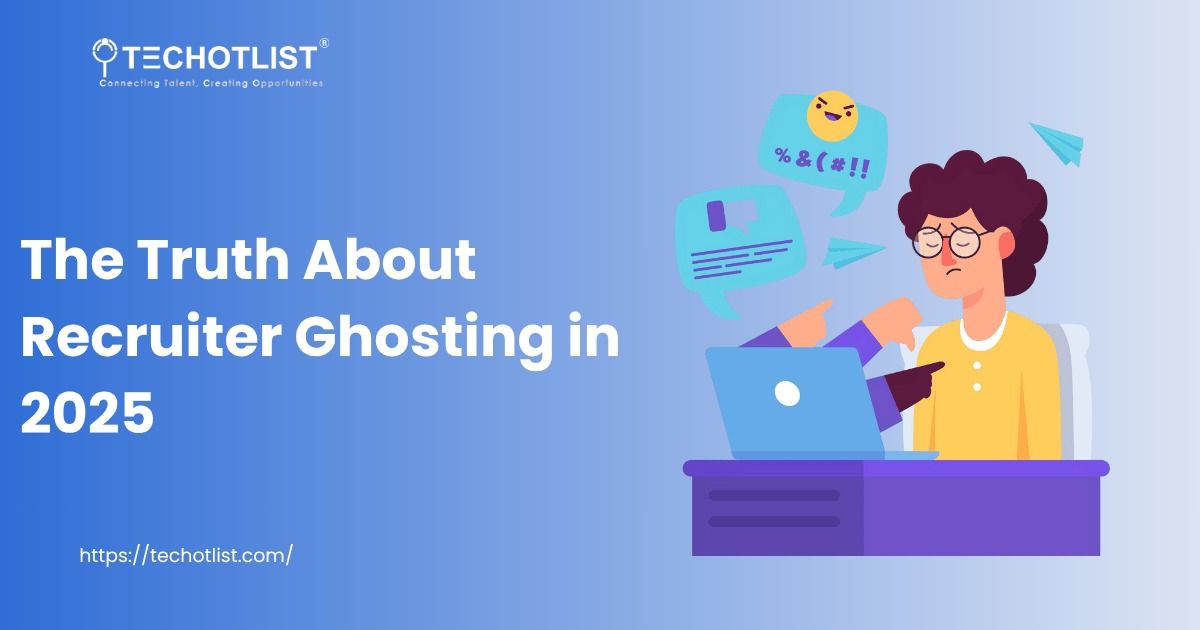
Recruiter Ghosting in 2026: Why It Happens and How to Avoid It
Recruiter ghosting isn’t new, but in 2026, it’s become a standard part of the job search experience, especially in tech, AI, and remote roles.
If you’ve ever:
- Cleared multiple interview rounds
- Had promising recruiter calls
- Or were told “we’ll get back to you soon”
…only to hear nothing again, you’ve been ghosted.
This guide breaks down why recruiter ghosting is increasing, what it actually signals in today’s market, and how you can stay ahead instead of getting stuck waiting.
What Is Recruiter Ghosting?
Recruiter ghosting happens when a company or recruiter:
- Stops responding after initial outreach
- Disappears mid-process (screening/interviews)
- Never provides feedback after final rounds
In 2026, it’s not the exception, it’s the norm.
Why Recruiter Ghosting Is Worse in 2026
- AI-Driven Application Volume
Tools like automated resume parsing and AI interview schedulers have made it easy for companies to accept thousands of applications in seconds, far more than they can handle manually. - Over-Reliance on ATS and AI Filters
Recruiters often miss strong candidates because applicant tracking systems (ATS) or AI filters disqualify resumes that don’t match strict keyword patterns. - Economic Uncertainty & Layoff Culture
In a year marked by economic instability and massive tech layoffs, companies are constantly changing their hiring priorities. Roles can be frozen or canceled abruptly. - Short Staffing in HR Teams
Ironically, many HR and talent acquisition teams themselves have faced downsizing, leading to delays and dropped communications.
Is AI to Blame? The Dual Role of Automation in Ghosting
AI has transformed recruitment, but not always for the better. Here’s how it’s contributing to ghosting:
However, AI is not inherently malicious. When used responsibly, it can improve candidate communication by automating updates and feedback loops. The problem lies in poorly integrated workflows and a lack of human accountability.
How to Avoid Recruiter Ghosting in 2026
1. Apply Smarter, Not More
Instead of mass applying:
- Target high-fit roles only
- Customize resumes for each role
- Use keyword alignment (AI, cloud, DevOps, etc.)
2. Follow the 48-Hour Rule
After any interaction:
- Follow up within 48 hours
- Keep it short and professional
If no response after:
- 2 follow-ups → move on
3. Build Direct Recruiter Access
Don’t rely only on job portals.
Use:
- LinkedIn outreach
- Referrals
- Networking
Direct connections reduce ghosting significantly.
4. Focus on High-Demand Skills
In 2026, the safest skills include:
- AI / Machine Learning
- Cloud (Azure, AWS, GCP)
- AI Search / LLM tools
- DevOps / Platform Engineering
The closer you are to business impact, the less likely you’ll be ignored.
5. Always Have Parallel Pipelines
Never depend on one opportunity.
Treat job search like a funnel:
- 10–15 active applications
- 3–5 interview processes at once
Why qualified candidates don’t get callbacks
Recruiter Ghosting: Common Questions Answered (FAQ)
Q1: Should I ever re-apply to a company that ghosted me?
A: Yes, but only if the company has posted a new role and you feel the opportunity aligns well. Treat it as a new application and don’t hold grudges, but be cautious.
Q2: What if a recruiter ghosts me after a verbal offer?
A: Escalate via email or professional platforms like LinkedIn. If the company remains silent, move on, but document your experience. In some cases, a third-party recruiter may be the one at fault.
Q3: How can I know if the recruiter ghosted me or if hiring is paused?
A: Politely ask for an update and whether the role is still active. If you get no response after two follow-ups, assume the process is stalled.
Q4: How can I avoid recruiter ghosting?
You can reduce ghosting by applying to highly relevant roles, networking directly with recruiters, and maintaining multiple active applications.
The Bigger Picture: It’s Not Just You
The reality is that recruiter ghosting reflects deeper systemic flaws, not your personal value as a candidate. In a saturated job market increasingly managed by AI and cost-cutting initiatives, human empathy sometimes gets lost.
But here's the good news: awareness is power.
By understanding how recruiter ghosting happens and adapting your job search strategy, you can minimize its emotional toll and focus your energy on high-opportunity pipelines.
Related posts

What Recruiters Notice in the First 10 Seconds (The Resume Truth That Will Change Your Callback Rate)
23 Apr 2026
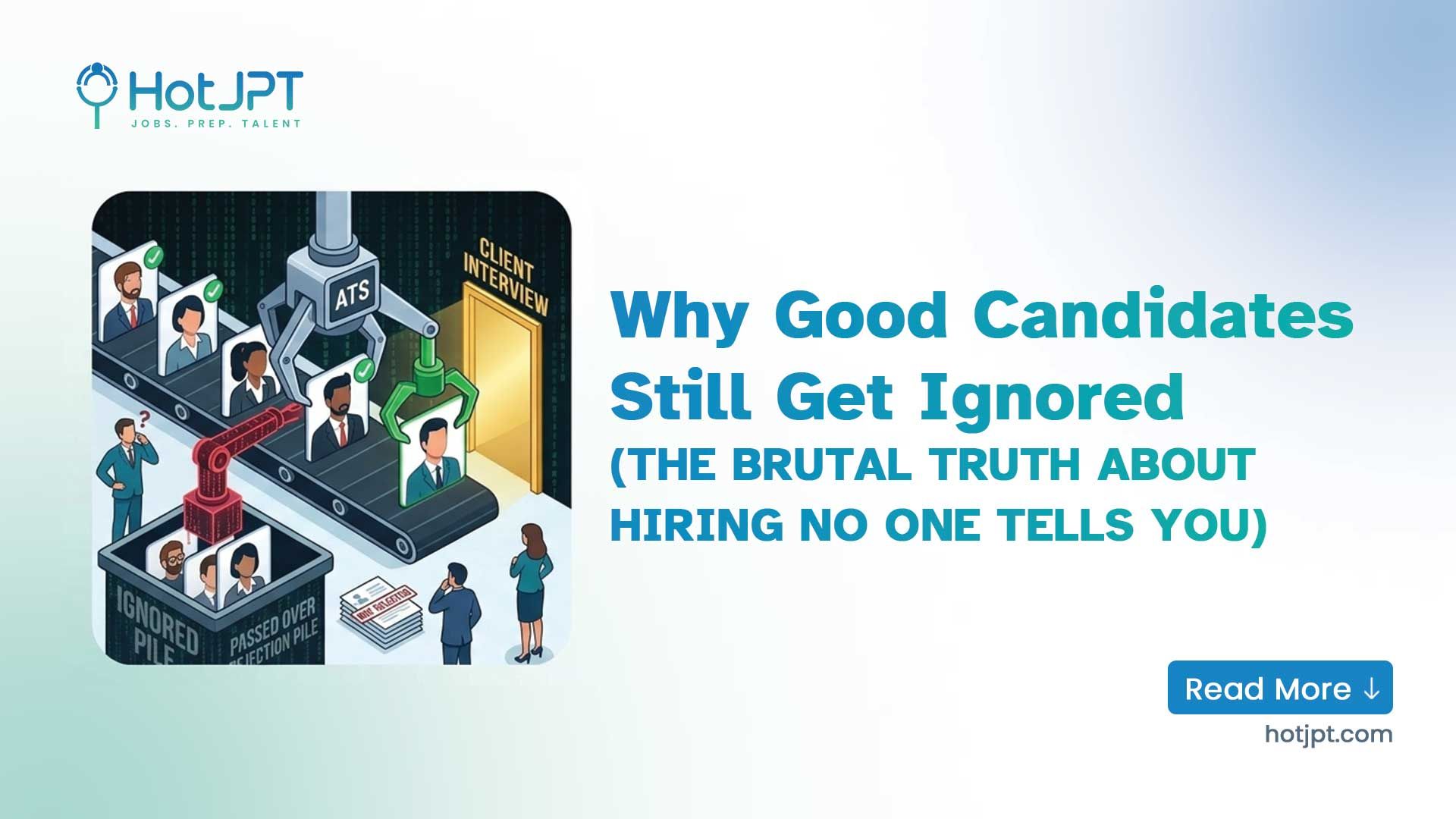
Why Good Candidates Still Get Ignored in 2026 (The Brutal Truth About Hiring No One Tells You)
25 Apr 2026
Side Projects That Actually Impress Hiring Managers
10 Apr 2026
How Recruiters Decide Whether to Submit Your Profile to a Client (2026 Guide)
06 Jan 2026